
Supply chainResearch
Supplier monitoring: why 48% have an active risk
In the ESGreen database, about 48% of monitored companies have at least one active alert. See why supplier risk stays invisible and how to monitor it.
Analyses, guides, case studies and papers on regulation, climate risk and ESG data for companies and financial institutions.
Supply chainResearch
In the ESGreen database, about 48% of monitored companies have at least one active alert. See why supplier risk stays invisible and how to monitor it.
Case studiesCase study
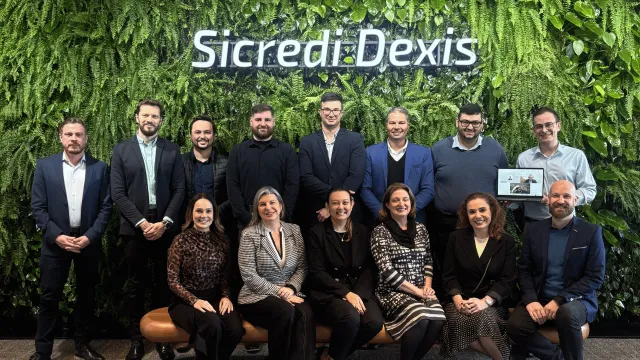
How ESG Lab, from ESGreen Education, prepared Sicredi Dexis managers to build the first local materiality matrix in the Sicredi System.
Reporting and verificationAnalysis
How credit cooperatives can structure the monitoring, reporting and verification cycle to turn ESG initiatives into verifiable evidence.
ESG educationOpinion
Why ESG education, treated as culture rather than an event, is how cooperatives engage suppliers and SMEs with proportionate requirements.
ESG educationGuide
Credit cooperatives already invest above average in training. The challenge is turning training hours into execution, governance and business decisions.
Reporting and verificationGuide
What the Brazilian Sustainable Taxonomy (Decree 12,705/2025) and its MRV System change for banks and cooperatives in credit, risk and compliance.
PapersPaper
The ESGreen Insights – Data for Sustainability project, published in LIFT Papers 2026 (Central Bank of Brazil and Fenasbac), with the full paper to download.
TrendsAnalysis
The themes that should guide the ESG agenda of cooperatives in 2026: supply chain risk, reporting and verification, auditability, data use, governance and impact with results.
Supply chainOpinion
Column by Renata Pradier Farias on how to integrate ESG and the circular economy into the supply chain, with cooperatives as protagonists.
Book 30 minutes.
Or write to contato@esgreen.com.br