
Trends Analysis
World Environment Day: avoid the most common environmental violations in Brazil
Learn how to identify, monitor and prevent environmental risks that can compromise your business
Discover up-to-date data on illegal deforestation, wildlife trafficking and pollution, and learn how to shield your company from fines, embargoes and reputational damage.
World Environment Day, celebrated on June 5, is more than a symbolic date: it is an invitation to reflect on our responsibility in the face of environmental challenges. In Brazil, home to some of the greatest biodiversity in the world, environmental violations still pose a concrete threat to the preservation of ecosystems and to the quality of life of entire communities.
Environmental violations: a Brazilian overview Link para esta seção
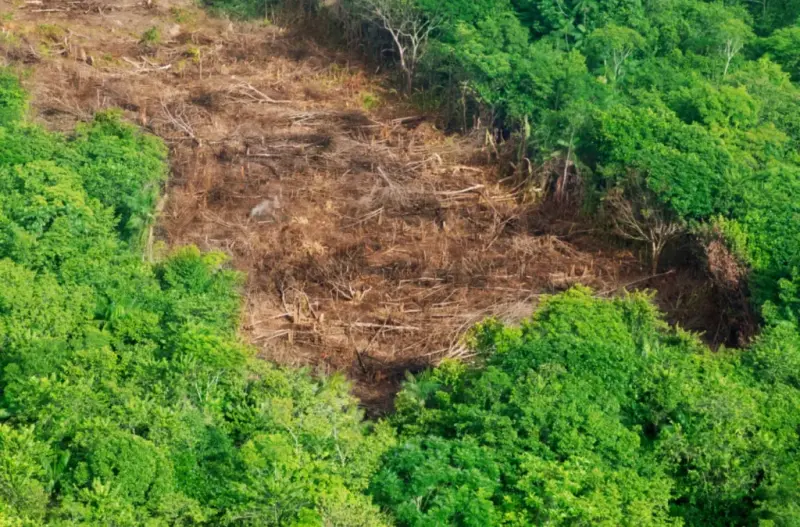
According to official data from ICMBio and IBAMA, offenses against flora top the ranking of environmental violations in the country, with 27,375 records, followed by violations against fauna (8,986 cases) and pollution cases (989 records).
These figures reflect practices such as:
- Illegal deforestation
- Unauthorized burning
- Wildlife trafficking
- Environmental contamination by waste and toxic substances
These actions not only compromise biodiversity but also create regulatory, reputational and operational risks for companies that operate with, or do business with, parties involved in these practices.
Most critical regions Link para esta seção
The states with the highest number of recorded environmental violations are:
- Pará (PA) – 12,626 cases
- Rondônia (RO) – 4,729 cases
- Ceará (CE) – 4,526 cases
- Amazonas (AM) – 4,415 cases
- Mato Grosso (MT) – 4,375 cases
These regions face specific environmental conservation challenges, such as illegal logging, disorderly expansion of farming and ranching, and fires in protected areas.

Embargoes and seizures: actions that protect Link para esta seção
To contain this damage, embargoes and seizures have been key instruments of environmental protection:
- 4,031 embargoes imposed
- 3,684 seizures recorded
These measures halt illegal activities, signal risks and support environmental regularization in vulnerable areas.

ESGreen’s role in monitoring environmental risks Link para esta seção
At ESGreen, we use technology and data intelligence to monitor environmental violations committed by CNPJs (Brazilian company registration numbers), based on public sources such as IBAMA, ICMBio and other official agencies.
If a monitored company commits, or is associated with, any violation like those mentioned above, our system issues an automatic alert. This allows our clients to act ahead of time, reassess partnerships and avoid risks that could compromise their reputation, operating licenses and even access to credit and investors.

Doing business with companies facing environmental crime charges can cause serious losses, such as: Link para esta seção
- Reputational damage and loss of market trust
- Exclusion from public contracts or from contracts with large buyers
- Exclusion from international supply chains
- Fines, penalties and indirect environmental liabilities
- Brand devaluation and risk to business continuity
That is why relying on a solution like ESGreen means more than monitoring data: it means shielding the company against invisible risks that can prove costly in the future.

How to detect environmental violations and protect your company from risk Link para esta seção
In addition to using smart monitoring solutions like ESGreen, companies and citizens also play an essential role in preventing environmental damage:
- Adopt sustainable practices in your operations
- Set ESG criteria when selecting suppliers
- Train teams to identify and mitigate risks
- Use reliable sources and stay up to date
Protecting the environment means protecting the future of business, society and the planet. On this World Environment Day, we invite you to act with awareness, strategy and responsibility.